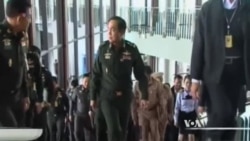
Thai Army Chief Declares Himself PM As Former Leaders Submit
Ousted Thai Prime Minister Yingluck Shinawatra and dozens of other political figures appear to have been detained after arriving for meetings with military leaders who took power in a coup this week.
After being summoned by the army, Yingluck and others arrived at a military installation in Bangkok Friday. Military officials are quoted as confirming that Yingluck is now in custody.
Thai media reports say her aides were bringing her personal effects to a military base outside Bangkok. It is not clear if the other politicians in custody have been taken to the same camp.
Prayuth, the self-declared acting prime minister and ardent monarchist, was able to intimidate his two previous civilian predecessors into reporting to an army facility under threat of arrest if they disobeyed. A total of 155 people have been told not to leave the country.
The junta boss on Friday also summoned civil servants and invited the diplomatic corps and foreign military attaches for meetings to explain the new realities on the ground in the kingdom.
US Ambassador to Thailand Kristie Kenney speaks with VOA's Steve Herman in Bangkok, May 23, 2014.
As was apparently the case with most other heads of missions, U.S. Ambassador Kristie Kenney did not accept the invitation. In a VOA interview, she said that, despite the imposition of martial law on Tuesday, the coup announcement two days later came “as a bit of a surprise” and it will hurt the relationship between Bangkok and Washington.
“We have a longstanding relationship,” Kenney said. “But a coup in Thailand will have a negative implication. There'll be a high-level review in Washington by the United States government of our assistance and our engagements with Thailand, especially the Thai military. So that'll be looked at very carefully.”
Throughout most of Friday, Thai TV channels continued to carry only the army station’s programming, which was mostly patriotic music interspersed with pronouncements from the new National Peace and Order Maintaining Council. Some channels returned to regular broadcasts in the evening.
Despite the coup, Thailand’s 12th in eight decades, there was little significant troop presence on the streets of the capital.
A small but significant demonstration, organized by university students, defied the military order of no public gatherings by more than five people. They vented their anger at soldiers and denounced the coup.
The most serious immediate impact from the coup is likely to be on Thailand’s lucrative tourism industry.
On the resort island of Phuket, businessman Sanga Ruangwattanakul said the coup has worsened an already bad year following months of political turmoil.
"The big picture: We have had a lot of cancellations from this year,” he said, and going forward “all the online bookings have been cancelled."
The country, now under a seven-hour nightly curfew, has no idea how long military rule and its various restrictions will continue. After the last coup in 2006, elections were not held for another 15 months.
Thai Army Stages a Coup
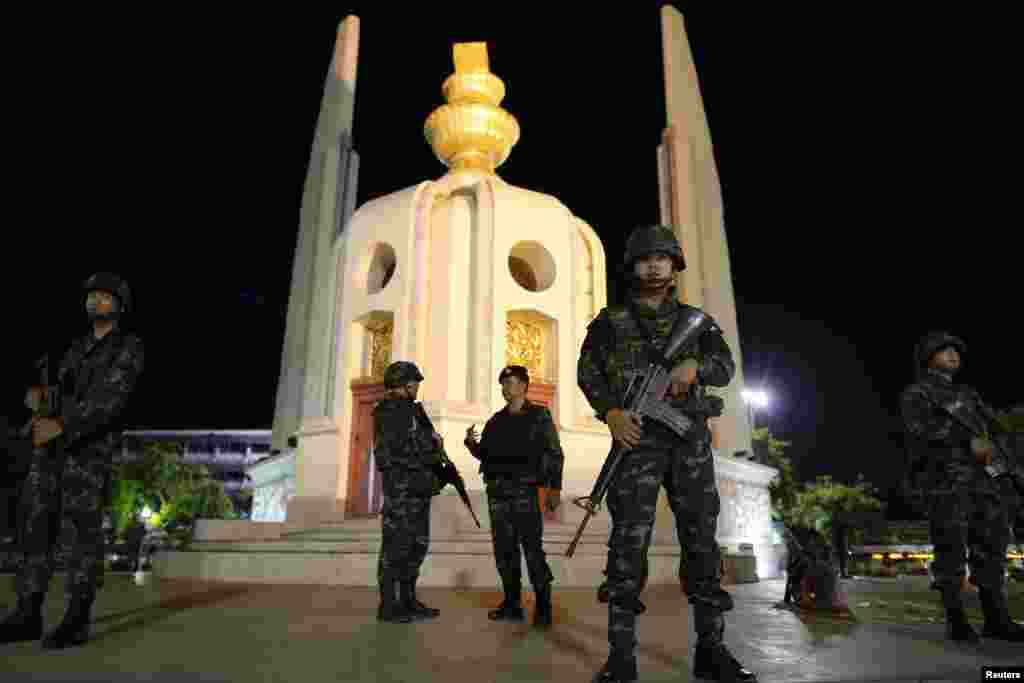
1/9Soldiers take up position at the Democracy monument after the coup was declared in Bangkok, May 22, 2014.
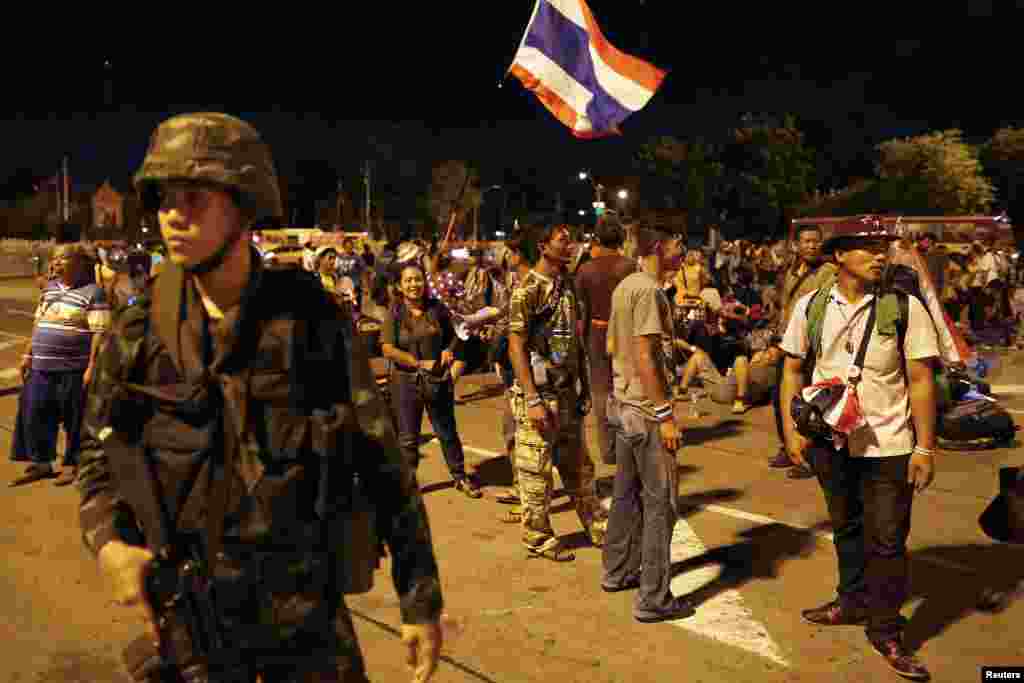
2/9Anti-government protesters waiting at the Royal Plaza for transportation home stand behind a soldier after the coup was declared in Bangkok, May 22, 2014.
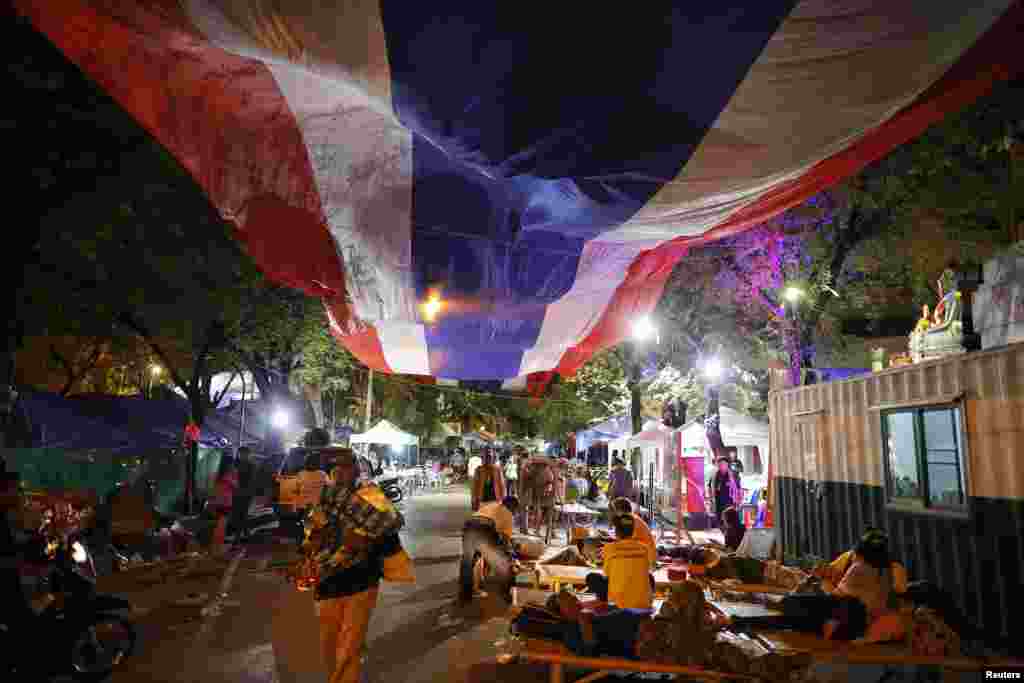
3/9Anti-government protesters get ready to leave their main encampment after the coup was declared in Bangkok, May 22, 2014.
4/9Thai journalists and foreign press watch the TV broadcast announcement of the coup by the Thai Armed Forces chiefs, at the press center of the Army Club, in Bangkok, May 22, 2014.
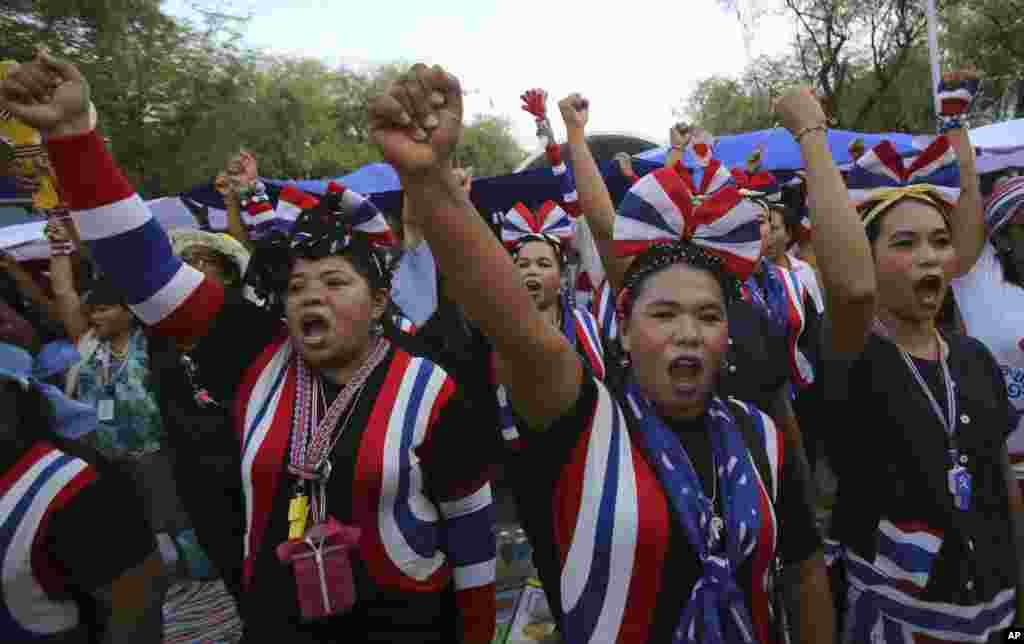
5/9Anti-government protesters raise their fists as they sing the national anthem, in Bangkok, May 22, 2014.
6/9Thai soldiers block a motorcade of an attendant at the Army Club shortly after the army staged a coup, May 22, 2014, in Bangkok, Thailand.
7/9An armed soldier takes a position behind a military vehicle in the compound of the Army Club shortly after the military staged a coup, in Bangkok, May 22, 2014.
8/9Thai soldiers guard an area where anti-government protesters come to rally, in Bangkok, May 22, 2014.
9/9Barefoot Buddhist monks walk past a checkpoint near a pro-government "red shirt" supporter encampment in Nakhon Pathom province, on the outskirts of Bangkok, May 22, 2014.